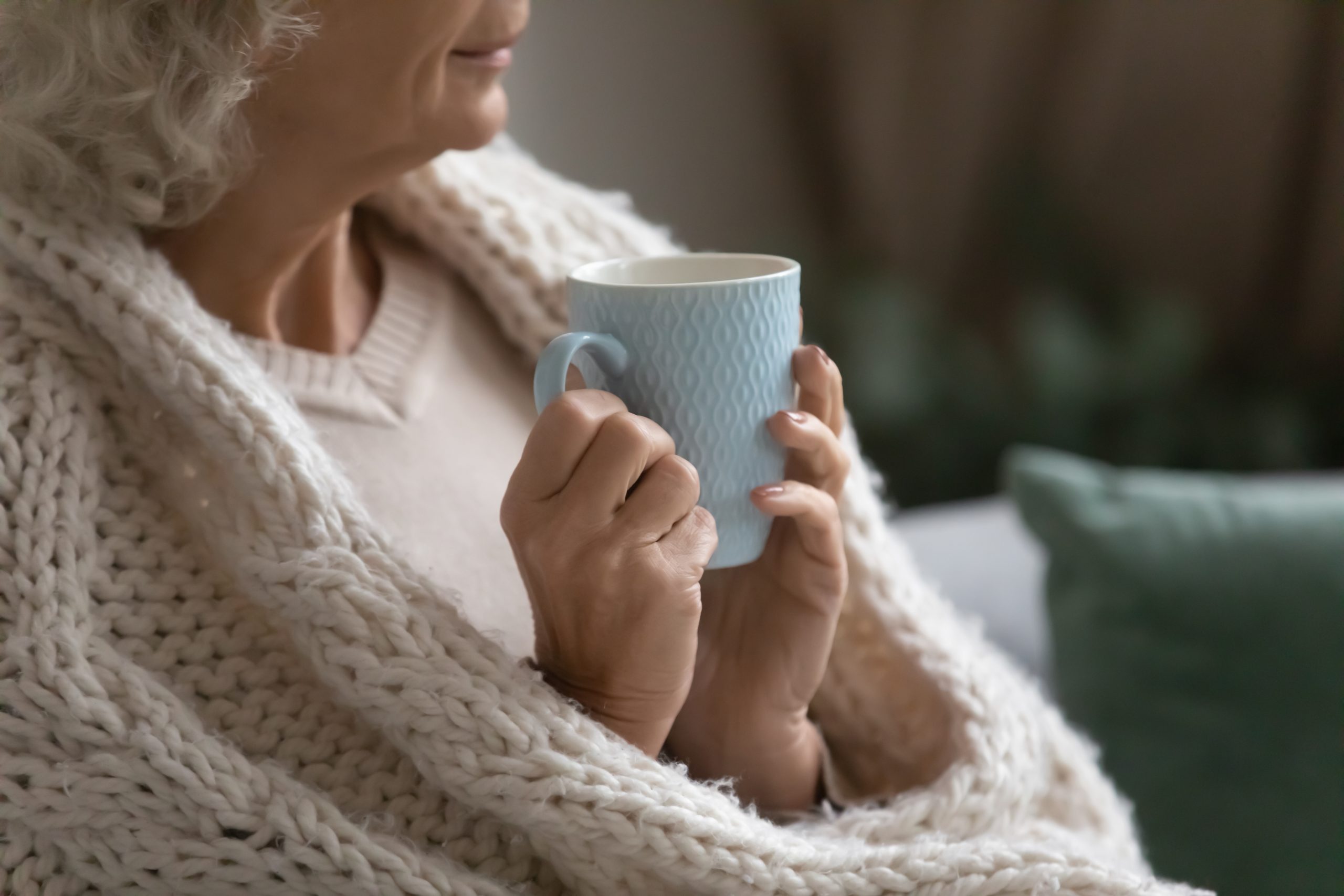
Winter’s on the way and, as temperatures drop, it’s tempting to turn the central heating up and get all snug and cosy. But, with rising energy costs showing no signs of slowing, keeping our homes warm through the winter months can be worryingly expensive for many of us.
With cold homes posing a health risk to older people, it’s important to find safe, practical ways to stay warm without overspending on energy bills.
Here are Apollo Care Liverpool’s top tips for a warm winter that won’t break the bank.
As we age, our body temperature regulation weakens. This change means that older people find it harder to realise when their bodies are getting colder, increasing their risk of being affected by the winter chill.
Chronic medical conditions can also make it harder to stay warm. For example:
- Diabetes can interfere with normal blood flow, reducing natural warmth
- Thyroid problems can affect the body’s ability to regulate body temperature.
- Parkinson’s disease and arthritis can make adding extra layers of clothes, using a blanket, or getting out of the cold more difficult.
- Dementia and Alzheimer’s can cause people to forget to take weather-safe precautions, such as wearing appropriate attire.
A reduced ability to judge or react to temperature can lead to direct cold exposure, which can cause serious health issues, including:
- Hypothermia
- Increased risk of blood clots, which increases the risk of heart attacks and strokes.
- Increased susceptibility to chest infections.
- Worsening breathing problems.
- Increased risk of falls.
Cold exposure can also indirectly impact mental health conditions such as depression and anxiety. There are other risks of a chilly home, too. For example, cold weather makes people more likely to use cooking or heating equipment that worsens indoor air quality.
Many older people underheat their homes due to cost fears, while those who are housebound or are more likely to live in fuel poverty. The subsequent low indoor temperatures increase the risk of infection and falls.
Layers are better at trapping heat than a single heavy jumper. Wearing thermal vests, long-sleeved tops and leggings under everyday clothes makes a big difference. Pay attention to keeping your loved one’s feet, hands, and head warm – heat is lost more quickly in these areas.
Electric blankets and heat pads can be helpful, but they should always be checked regularly and switched off when not in use.
Your home care provider can also help make sure clothes, blankets and electric blankets are used safely and comfortably.
The cold can often creep up without us noticing. Sometimes it takes a fresh pair of eyes to spot the temperature dropping at home. When visiting your loved one, check for early signs of coldness, such as shivering, pale skin, or cold hands and feet.
Also, make sure the heating is working correctly and that no one’s putting themselves at risk with unsafe heating methods.
Regular visits from your local home care professional will help ensure that warmth, hydration, medication and mood are looked after – along with the temperature.
Winter can be a worrying time for families of older or unwell people, especially when you’re juggling work, travel, and the pressures of Christmas. Home care support can help relieve your concerns by checking on your loved ones regularly to ensure they stay warm, safe and well through the colder months.
If you’re concerned about someone living alone this winter, even short, regular visits can make all the difference.
If you’d like to talk about the help available or arrange extra support, Apollo Care Liverpool provides compassionate, flexible home care across Liverpool and Sefton.
We’re here to help your loved ones stay warm, well and independent at home this winter.